At many businesses today, asset management is still handled manually using Excel spreadsheets and heavily reliant on individual experience. While this may seem effective at first, especially in small-scale operations, it quickly becomes problematic as the business expands and the asset portfolio grows.
One of the most obvious issues is the lack of connectivity between departments. Each team often manages its own Excel sheet independently, leading to inconsistent and overlapping information that is difficult to reconcile. More critically, Excel lacks features such as operation history tracking and user access controls, increasing the risk of internal fraud. Simple errors—like mistyped data, incorrect formulas, or copy-paste mistakes—can also result in asset loss or mismanagement.
Experts warn that managing assets with Excel is prone to inaccuracies and losses due to a lack of integrated data. These issues have been widely observed in real estate companies both in Vietnam and globally.
For long-term-use assets, regular monitoring and maintenance are essential to maximize their value and minimize waste. If an asset is damaged or lost, relying on informal channels like OTT messages or emails for reporting can delay issue resolution and negatively impact customer experience.
In many cases, businesses fail to monitor asset life cycles properly due to a lack of data analysis tools. This makes it difficult to carry out preventive maintenance, often resulting in unexpected repair costs and operational disruptions.

Using specialized asset management software helps improve management efficiency.
Transitioning to a dedicated asset management system is not just about improving efficiency—it is a strategic move to reduce risk, lower costs, and enhance overall competitiveness.
According to Mr. DinhViet Thang, Director of the Real Estate Operations Department at TNTech Joint Stock Company, businesses should consider switching to dedicated asset management software when the following signs appear: owning more than 100 assets, assets distributed across multiple locations, Excel-based management becoming overloaded, or frequent cases of asset loss and difficulty tracking maintenance history—with no clearly assigned personnel in charge.
For businesses planning to open new branches, expand operations, aim for ISO standardization, or pursue digital transformation, adopting asset management software is essential.
A Software Solution for Sustainable Asset Management
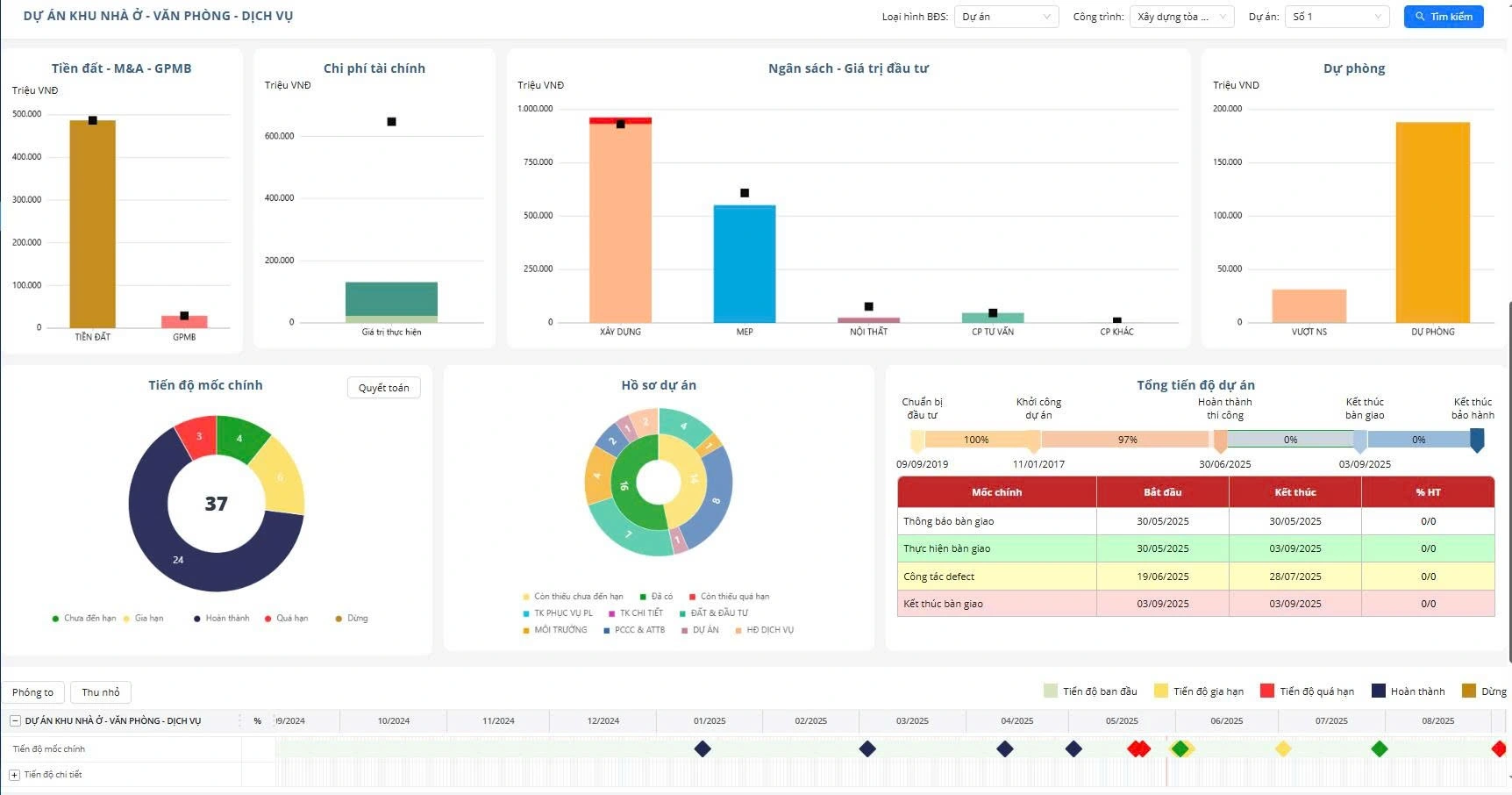
As the software market continues to grow, more asset management solutions are emerging. However, T.FM stands out as a 5-star certified solution by the Vietnam Software Association (VINASA) for its comprehensive asset management capabilities, high level of automation, and user-friendly interface.
T.FM enables end-to-end lifecycle management of assets—from procurement planning, daily operations, maintenance and repair, to inventory control and asset disposal. The system also features intelligent alerts for warranty, insurance deadlines, and other critical milestones. Even in real estate projects, T.FM supports management from the legal documentation stage to construction progress tracking, acceptance, handover, and ongoing operations.
All actions on the system are logged in detail, including user identity, timestamps, and change history—ensuring strong support for audits and legal compliance. Its flexible role-based access control allows for permission settings by department, user level, and security tier, making it especially suitable for businesses with multiple branches and departments.
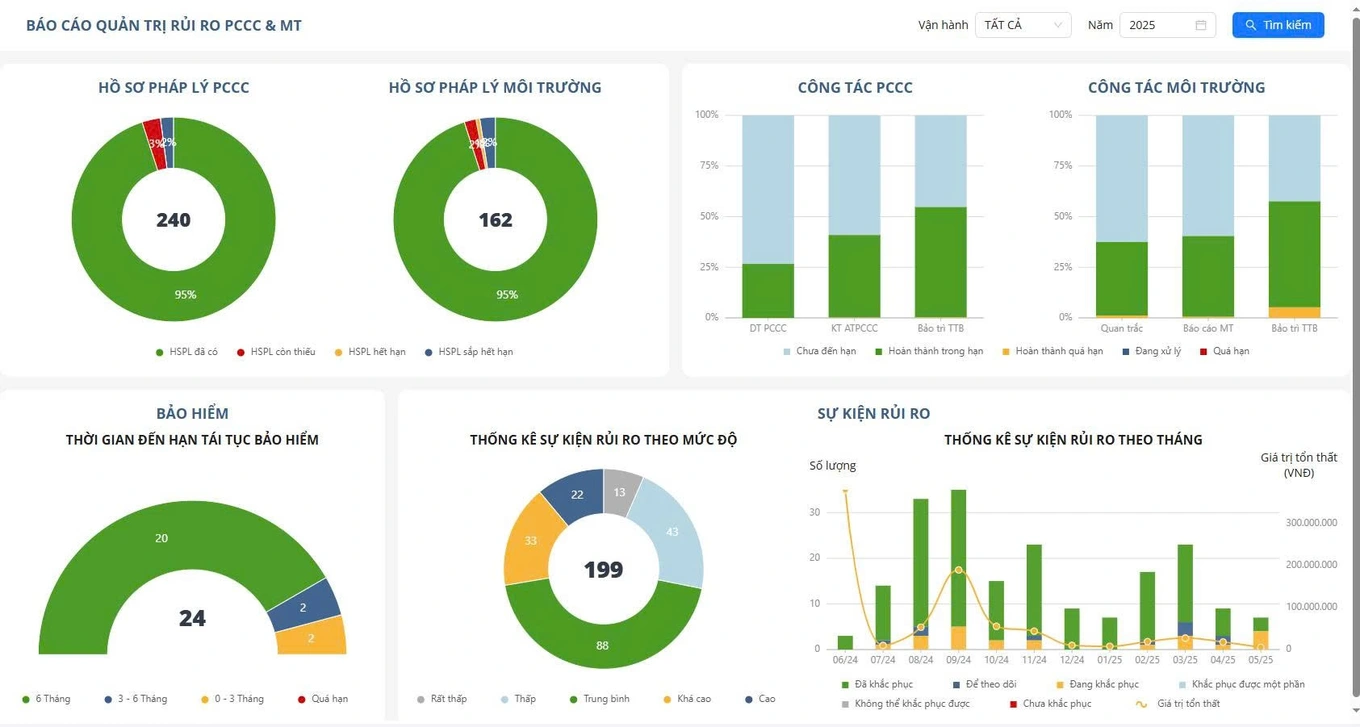
In practice, using asset management software helps businesses regain control over revenue streams that are often overlooked. With T-FM, the system generates daily reports and alerts, allowing companies to monitor real-time revenue. This enables closer tracking of business plans, while continuously updated reports on plan completion rates empower leadership to make timely and strategic decisions.
This demonstrates that switching to specialized asset management software not only improves management efficiency but also enhances cross-departmental coordination, minimizes risks, and contributes to strengthening the company’s overall competitiveness.